A fence does more than mark a boundary. It shapes how a property looks, feels, and works each day. In San Angelo, owners often need fencing that can handle sun, wind, dry ground, and daily use. That is why local fence planning usually starts with purpose, material choice, and long-term upkeep.
Why fencing matters in a West Texas setting
San Angelo properties face a mix of practical needs. Privacy matters in neighborhoods, while security and access control matter more on commercial sites and larger lots. A well-built fence can also help manage pets, separate spaces, and make a yard feel finished. Small details count.
Climate plays a real role in fence performance. Long stretches of heat, strong sun, and sudden storms can wear down weak materials much faster than many people expect. A fence that looks fine in year 1 may need major repair by year 3 if posts, fasteners, or boards were not chosen with local conditions in mind.
Good planning starts before a single post goes into the ground. Property lines should be clear, gate swing needs should be measured, and changes in slope should be noticed early. Even a difference of 6 inches in grade can affect the final look of a long fence run. Care at the start usually prevents trouble later.
Popular fence types and what each one does best
Wood remains a common choice because it offers privacy and a familiar look. Cedar is often preferred because it resists insects and decay better than many other woods, and it can suit both modern and traditional homes. Taller wood panels can block views from streets and nearby yards. They also soften the look of a property line.
For people comparing local contractors and service options, https://www.fenceprosanangelo.com/ is one example of a fencing resource focused on installation, repair, gates, and several material types in San Angelo. That kind of range can help owners compare what works for homes, businesses, and outdoor spaces with different needs. A broad service menu is useful when one property needs more than one solution.
Chain link fencing solves a different problem. It is often chosen for practical enclosures, pet areas, schools, work yards, and spaces where visibility matters as much as security. Vinyl is another option for owners who want a cleaner look with less routine upkeep. Metal fencing, including aluminum and wrought iron styles, is often picked for decorative value, strength, and clear sight lines around front yards or pool areas.
Installation details that affect strength and lifespan
The quality of a fence depends on more than the panels people see from the street. Posts are the backbone of the whole structure, and poor post spacing can lead to leaning sections, sagging gates, or loose panels. Soil conditions matter too. In a dry region, ground movement after rain can surprise owners who assumed the earth would stay stable.
Gate placement needs extra attention because gates are used every day. A driveway gate, walk gate, or automatic entry point has moving parts, and those parts need room to swing, latch, and stay aligned over time. A gate opening that is off by even 1 inch can create a steady series of problems. Those problems rarely fix themselves.
Layout is another major factor. Fence lines that follow corners, trees, utility areas, and uneven terrain need a careful plan before digging starts. A clean layout can make a modest fence look sharp and expensive, while a rushed layout can make premium materials look uneven. Straight lines matter. So does a clean transition around gates and corners.
Repair, maintenance, and signs that a fence needs help
Most fences do not fail all at once. Problems often begin with one leaning post, one loose board, or one gate that drags on the ground after a storm. Small issues can spread across a section if they are ignored for months. Early repair is usually cheaper than replacing an entire side of the fence.
Wood fences may need attention when boards split, warp, or pull away from rails. Metal fences can develop rust spots, loose hardware, or bent sections after impact. Chain link may sag when tension changes or posts shift. A quick inspection twice a year, once in spring and once in fall, can catch many of these problems before they grow.
Maintenance does not need to be complicated. Owners usually benefit from checking post stability, clearing debris from gate paths, and looking for hardware that has come loose over time. Wash-downs can help some materials keep a cleaner appearance, and a protective finish may extend the life of wood in direct sun. Little tasks add up.
How homeowners and businesses can choose the best fit
The right fence depends on what the property needs most every day. A backyard for children and pets may need privacy and safety, while a storefront or commercial lot may need controlled access and a fence that holds up under frequent use. Some owners want appearance first. Others want low maintenance first.
Budget matters, but the cheapest starting price is not always the lowest cost over time. A fence that needs repeated repair or early replacement can become more expensive than a better-built option installed from the start. Owners should also think about gate count, total linear footage, and terrain. A property with 120 feet of flat fencing is very different from one with multiple corners and slope changes.
It helps to ask a few direct questions before moving forward. How much privacy is needed, how often will gates be used, and what kind of upkeep feels realistic over the next 5 years? Those answers narrow the field quickly. A strong choice usually matches the daily life of the property, not just the photo someone liked online.
A well-chosen fence can improve security, define outdoor space, and make a property easier to use every day. In San Angelo, the best results usually come from matching the material and design to the climate, the layout, and the real needs of the site. Careful planning makes a visible difference.
When your air conditioner stops working in the middle of a sweltering summer night, you’re not just facing discomfort — you may be dealing with a health and safety issue, especially in areas prone to heatwaves. This is where emergency AC repair services come to the rescue. Offering quick, reliable, and expert solutions when you need them most, these services ensure that your home or business stays comfortable and safe, no matter the time of day or night. When you contact an emergency AC repair service, time is of the essence. A professional technician will typically arrive within hours, armed with the tools and parts needed to address the most common problems.
Why Emergency AC Repair Services Matter
Air conditioning is no longer just a luxury — for many, it’s a necessity. In homes with children, elderly residents, or individuals with medical conditions, extreme heat can pose serious health risks, including dehydration, heatstroke, and respiratory problems. Businesses also rely on properly functioning air conditioning to keep employees comfortable and protect equipment or perishable goods.
Emergency AC repair services provide immediate solutions to restore climate control and prevent more significant issues from arising. Whether your AC stops working on a holiday weekend or in the middle of the night, knowing you can call a technician for immediate help provides peace of mind.
Common Air Conditioning Emergencies
While some AC issues can wait for a scheduled service appointment, others demand urgent attention. Here are a few common situations where emergency AC repair might be necessary:
1. Complete System Failure
When the AC unit won’t turn on or stops running completely, it’s an obvious sign that something serious has gone wrong. This can be due to electrical problems, a burnt-out compressor, or other critical issues.
2. Refrigerant Leaks
A refrigerant leak not only reduces the cooling efficiency of your system but also poses environmental hazards. If you notice hissing sounds, ice buildup on the coils, or poor cooling performance, call for emergency service.
3. Electrical Issues or Burning Smells
Electrical malfunctions in your AC unit can be dangerous and even lead to fires. A burning smell, sparking, or frequently tripping breakers are red flags that should be addressed immediately.
4. Thermostat Malfunctions
If your thermostat isn’t reading temperatures correctly or isn’t communicating with the AC unit, it can lead to erratic cooling or complete system failure — especially problematic during peak heat.
5. Strange Noises or Vibration
Banging, grinding, or screeching sounds often signal internal mechanical issues. Operating the unit under these conditions can cause further damage and higher repair costs if not addressed quickly.
Here’s what you can expect:
Prompt Response: 24/7 availability ensures that help is just a phone call away — even on weekends or holidays.
Thorough Diagnostics: Technicians quickly identify the issue using advanced diagnostic tools and years of experience.
Immediate Repairs: If possible, repairs are completed on the spot to restore your comfort without delay.
Temporary Solutions: If a full repair requires special parts, temporary fixes may be applied to get your system running safely until a follow-up visit.
Benefits of Choosing a Reputable Emergency Service
Not all HVAC companies are created equal. Choosing a reputable emergency AC repair service provides several advantages:
Licensed and Certified Technicians: Professionals with proper credentials ensure repairs are done correctly and safely.
Upfront Pricing: Transparent pricing helps avoid unexpected costs.
Warranty and Guarantees: Trustworthy companies stand by their work and often offer warranties on parts and labor.
Customer Support: Reputable services provide ongoing support and maintenance advice to help prevent future emergencies.
Preventing Future AC Emergencies
While emergency services are a lifesaver, prevention is always better than cure. Regular maintenance is key to extending the life of your AC unit and avoiding sudden breakdowns. Here are a few tips:
Schedule Annual Tune-Ups: Have a professional inspect your system before each cooling season.
Change Air Filters Regularly: Dirty filters restrict airflow and strain the system.
Keep Outdoor Units Clean: Remove debris and ensure there’s adequate airflow around your condenser unit.
Monitor System Performance: Take note of unusual noises, smells, or inconsistent cooling — early detection can prevent bigger problems.
Conclusion: Be Prepared Before the Heat Hits
In today’s climate, where heatwaves are becoming more frequent and intense, having access to a reliable emergency AC repair service is more than just a convenience — it’s a necessity. When your system fails, especially during extreme temperatures, you need fast and expert help to restore comfort and safety.
By choosing a trusted emergency HVAC provider, you can avoid prolonged discomfort and costly damage to your equipment. Don’t wait for a breakdown — familiarize yourself with local emergency services, schedule regular maintenance, and always keep their number handy. When the heat is on, you’ll be glad you did.
In an age where technology plays a central role in our daily lives, the demand for audio visual consultants has significantly increased. These professionals are essential for designing, implementing, and maintaining audio-visual systems that enhance communication and interaction within various settings. From corporate boardrooms to home theaters, audio-visual technology is integrated into countless environments, and having an expert to manage this complex system can make all the difference. An audio visual consultant brings expertise to ensure that these systems function seamlessly, providing superior user experiences and high-quality results. Similarly, lutron shade control atlanta systems can be integrated into these setups, allowing for optimized lighting control that enhances the overall experience.
One of the primary reasons for hiring an audio visual consultant is the complexity of modern audio-visual technology. Whether it’s a simple projection system or a sophisticated multi-room sound setup, these technologies require professional knowledge to design and install. A consultant has the expertise to select the best equipment, ensure compatibility, and design an integrated system that meets the specific needs of the client. They are also trained to address potential technical challenges before they arise, ensuring that clients experience minimal downtime and frustration with their systems.
Moreover, an audio visual consultant plays a vital role in optimizing the environment in which the technology is used. They understand how sound and visual elements interact with space, and can help clients achieve the best acoustics, lighting, and overall system functionality. For instance, in a conference room, an audio visual consultant will ensure that microphones, speakers, and screens are strategically placed to guarantee optimal sound quality and visibility for all participants. In a home theater, they can adjust the layout of speakers and the viewing angle to create an immersive experience. Their expertise allows them to make spaces more effective and enjoyable by leveraging technology.
In addition to installation, audio visual consultants also provide ongoing support and troubleshooting. As with any technological system, things can occasionally go wrong. Consultants are equipped to identify and resolve issues quickly, minimizing disruptions to daily operations. They can provide training to users, helping them understand how to use the system effectively. Whether it’s adjusting the audio levels or learning how to switch between devices, an audio visual consultant ensures that clients are confident in managing their equipment. Their services can extend to regular maintenance and upgrades, ensuring that the system remains current with technological advancements.
Another significant benefit of hiring an audio visual consultant is cost savings. While some businesses or individuals may try to manage audio-visual systems themselves, an expert can save them money in the long run by preventing costly mistakes. With their knowledge of the latest equipment, a consultant can recommend solutions that are both affordable and high-performing. Additionally, they can help with energy efficiency, ensuring that the systems are not only effective but also sustainable. A poorly designed system can lead to wasted energy, frequent repairs, or even a lack of functionality, all of which can be avoided with professional guidance.
The role of an audio visual consultant is not limited to just installation and troubleshooting. They are also involved in planning and strategy, helping clients choose the right technology for their specific needs. For businesses, this could mean implementing video conferencing solutions, designing digital signage systems, or creating immersive training environments. For residential clients, it may involve home automation systems, integrated audio solutions, or home theater setups. Consultants work closely with their clients to understand their needs and deliver tailored solutions that are both functional and aesthetically pleasing.
With the rapid pace of technological innovation, the field of audio visual consulting is constantly evolving. Consultants must stay up-to-date with the latest trends and products to offer their clients the best possible service. This includes understanding the impact of emerging technologies, such as 4K and 8K displays, virtual and augmented reality, and smart home integration. An experienced consultant is able to forecast future trends and incorporate these developments into their designs, ensuring that systems remain relevant and future-proof for years to come.
Beyond technology, an audio visual consultant also plays an important role in the user experience. They don’t just install systems—they think about how people will interact with them. For instance, a business consultant may consider the flow of a meeting and ensure that the technology supports collaboration and productivity. A residential consultant may focus on making sure the system is easy to control, so everyone in the household can use it without hassle. The ultimate goal is to create a seamless integration of technology into the daily lives of clients, enhancing both functionality and enjoyment.
The value of an audio visual consultant also extends to event planning and live production. They play a crucial role in ensuring that large events such as conferences, concerts, and seminars run smoothly. From setting up microphones and lighting to coordinating audio feeds and visual presentations, consultants are responsible for creating a flawless experience for attendees. Their technical expertise allows them to manage complex setups, troubleshoot issues on the fly, and ensure that everything runs according to plan.
In conclusion, an audio visual consultant is an indispensable asset for anyone looking to integrate advanced technology into their home or business. Their expertise ensures that systems are designed and installed correctly, work seamlessly, and are optimized for the best possible performance. Whether it’s for a corporate boardroom, a home theater, or a live event, the contribution of an audio visual consultant can elevate the entire experience, making it more efficient, cost-effective, and enjoyable. As technology continues to advance, the demand for skilled consultants will only increase, making them key players in the integration of innovative audio-visual solutions.
I work as a commercial HVAC technician who has spent years installing and servicing equipment in modular offices, temporary medical spaces, portable classrooms, and prefabricated jobsite buildings across the Southwest. These projects look straightforward from the parking lot, but I have learned that modular construction creates its own set of airflow, equipment-access, electrical, and scheduling problems. I have worked on single-module offices as well as connected facilities with more than 20 modular sections. Good HVAC work starts before the equipment ever arrives.
Why Modular Buildings Require Different Planning
A modular commercial building is rarely handled exactly like a conventional building because space is usually tighter and many mechanical decisions have already been shaped by the factory-built structure. I often receive drawings showing narrow ceiling cavities, limited wall penetrations, and designated areas where equipment must fit. A difference of 4 inches can determine whether a duct connection is practical. That is why I review the module layout before deciding how I want the system arranged.
I worked on a temporary administrative building last summer where six modular sections were joined into one larger workspace. The original plan placed a supply run directly through an area needed for structural connections between modules, so the duct route had to change before installation. Catching that issue during planning prevented several crews from having to redo finished work. Small conflicts become expensive once modules are already assembled.
Heat exposure also deserves attention, especially with modular units placed on open commercial sites. I have walked into buildings where afternoon sun pushed one side of the structure much harder than the opposite side, even though both spaces were served by the same equipment. Window placement, roof exposure, occupancy, computers, and exterior doors all affect what I see in the field. Equipment sizing based only on floor area can miss those differences.
Access matters too. It sounds simple. Yet I have seen equipment installed so tightly against framing that removing a filter door or blower assembly became unnecessarily difficult. I try to leave realistic service clearance because somebody will eventually need to inspect a coil, replace a motor, clear a drain, or troubleshoot an electrical problem.
Matching the HVAC System to Commercial Use
I start by asking how the modular building will actually be used instead of treating every unit as the same metal box. An eight-person construction office has different demands from a portable medical room where doors open frequently and equipment operates throughout the day. A modular classroom with 25 occupants creates another set of ventilation and comfort concerns. The operating schedule can matter just as much as the square footage.
For Arizona projects where owners want experienced help with planning, installation, repairs, and system selection, I sometimes point them toward commercial modular HVAC services that are specifically focused on these types of structures. I prefer resources that recognize the practical limitations of modular construction rather than treating the building like a conventional shell. That difference usually shows up in equipment placement, duct planning, thermostat location, and future maintenance access.
One client I worked with several seasons ago used modular buildings as temporary offices during a warehouse expansion. The offices started with about 12 employees, but staffing increased after another project phase began. That change affected internal heat loads and how frequently exterior doors were opened during busy hours. The system had not failed, but operating conditions had changed enough that comfort complaints became predictable.
I also consider how long the building is expected to stay in place. A modular unit used for 18 months on a construction site may need a different approach from a modular medical office expected to operate for a decade. Temporary does not mean careless. It simply changes which equipment features, installation choices, and service arrangements make financial sense.
Air Distribution Can Make or Break Comfort
I have seen correctly sized equipment blamed for poor performance when the real problem was air distribution. Modular buildings can have partitions, short corridors, storage rooms, and joined sections that interfere with the path of conditioned air. If one supply register handles too much space while another room receives little airflow, people notice quickly. Moving 50 or 60 cubic feet of air per minute to the right location can make a noticeable difference in a small room.
Return-air placement deserves equal attention. I once inspected a modular office where the thermostat sat near a strong supply register while the return was located farther down a hallway. The thermostat reached its set temperature quickly, but two enclosed offices remained warmer for much longer. Changing the airflow pattern helped more than simply lowering the thermostat.
Duct leakage is another issue I watch closely around module connections because sections may be transported separately before being joined onsite. Every transition and connection needs to remain secure after assembly. A duct that looked fine during one stage of construction can shift slightly as modules are leveled and connected. I inspect those areas before considering the job finished.
I pay attention to noise as well. Modular walls can make fan or air movement sounds seem more noticeable than they would in a large permanent structure with heavier construction. High airflow through an undersized grille can become irritating in a quiet office. Sometimes the best correction is surprisingly small.
Installation Coordination Saves Time on the Site
Modular projects tend to move quickly, so I coordinate mechanical work with electrical, structural, and finish crews before everyone begins competing for the same space. On one commercial project, three trades needed access to a narrow utility area that was less than 6 feet wide. Without a clear work sequence, somebody would have blocked somebody else. We agreed on equipment placement and access before the final wall panels went in.
Electrical requirements need particular attention because modular projects may arrive with much of the wiring already installed. I verify voltage, disconnect locations, breaker capacity, controls, and equipment requirements before startup. Discovering an electrical mismatch after the HVAC unit is mounted creates delays that are avoidable. I would rather spend 20 minutes confirming details than lose half a day correcting assumptions.
Condensate drainage is another detail I refuse to treat as an afterthought. The building may be elevated, temporary, or positioned on a site where drainage routes are limited. I need a proper slope and a discharge location that will not create water problems around stairs, walkways, skirting, or foundations. Even a small drain issue can become a maintenance complaint within weeks.
Startup is not just flipping a switch. I check temperatures, airflow behavior, thermostat response, drain operation, unusual vibration, and the basic condition of the electrical connections. If the building contains several zones or multiple units, I confirm that each thermostat is controlling the intended equipment. Labels help later, especially in facilities with 10 or more similar units.
Service Access Matters After Installation
I judge an installation partly by how difficult it will be to service two years later. Filters should be reachable without removing half the room, access panels should open fully, and important components should not be buried behind permanent fixtures. I have spent more than an hour reaching a component that should have taken 10 minutes to access. Poor placement keeps costing money long after the installer leaves.
Filter maintenance is a common concern in modular commercial environments because dust levels can vary dramatically by site. A portable office beside active grading work may collect dirt much faster than a unit sitting beside a finished parking lot. I do not assume one replacement interval fits every building. I inspect the condition first and adjust the schedule according to actual use.
Coils and outdoor equipment also need space around them. Construction materials, temporary fencing, storage containers, and landscaping sometimes appear after the HVAC work has been completed. I have returned to sites and found outdoor equipment partially blocked by pallets or stacked supplies. That kind of obstruction can create performance problems even though nothing inside the unit has actually failed.
Preventive visits give me a chance to catch those changes before they become bigger issues. During a typical inspection I look for loose electrical connections, drainage problems, dirty components, damaged insulation, unusual sound, and obvious airflow restrictions. I also ask building occupants whether comfort has changed recently because they often notice patterns before a component fails completely.
Planning for Expansion and Relocation
One advantage of modular commercial space is that the building can change as the organization changes, but the HVAC plan needs to anticipate that possibility. I have worked on facilities that started with four modules and later expanded to eight. Adding floor space can change occupancy, airflow paths, electrical demand, and control requirements. I prefer knowing about a likely expansion before selecting equipment.
Relocation creates another set of questions. Equipment that worked well at one site may behave differently after the building moves because orientation, sun exposure, elevation, and surrounding structures have changed. Even the position of exterior doors can affect comfort. I inspect relocated systems instead of assuming the old setup will perform exactly the same way.
Controls may also need adjustment as the building grows. A small office might operate comfortably with a straightforward thermostat, while a larger connected modular facility can benefit from clearer zoning and scheduling. I avoid making the control system more complicated than the staff needs. A system people understand is usually maintained more consistently.
My best modular HVAC jobs are the ones where the mechanical system feels uneventful after everyone moves in. The rooms reach temperature, equipment remains accessible, drainage works properly, and the staff does not have to think about the HVAC system every afternoon. I have learned to get that result by paying close attention to the details that modular construction compresses into a smaller space. Careful planning upfront usually gives me fewer surprises later.
I work as a behavior analyst who has spent years supervising home-based ABA programs with children and their families, often during the busiest parts of their daily routines. I have worked at kitchen tables, beside toy shelves, in backyards, and in living rooms where siblings are moving in and out of the session. Home-based work feels different from clinic work because I am seeing behavior in the place where many daily challenges actually occur. The home gives me useful information that a carefully controlled therapy room sometimes cannot.
Why the Home Setting Changes What I See
A child may demonstrate a skill perfectly during a structured session and struggle with the same skill during breakfast the next morning. I have seen this happen with simple requests, transitions, dressing routines, and waiting for a preferred item. A home visit lets me see the small details around the behavior, including where people stand, what happens 30 seconds before a problem starts, and what usually happens afterward. Those details often shape my next clinical decision.
One family I worked with had a child who could follow a two-step direction during table work but rarely did so before school. Once I observed the morning routine, I realized the issue was not simply whether the child understood the directions. Three adults were giving different instructions within a few minutes, and several preferred toys were still available nearby. The environment was doing more work than anyone realized.
Small changes mattered. I asked the family to simplify the sequence and give one clear direction before adding another. We also adjusted where a few distracting items were kept during the morning routine, then practiced the same sequence repeatedly rather than changing expectations from day to day. Progress became easier to measure because the routine stopped shifting constantly.
Building Skills Inside Real Family Routines
I prefer teaching a skill where the child is likely to use it whenever that approach is clinically appropriate. If the goal involves getting dressed, requesting breakfast, cleaning up toys, tolerating hair brushing, or moving from a tablet to homework, the home gives me direct access to those routines. Families researching in-home ABA therapy may find this practical focus useful because treatment can be connected to situations that already happen every day. I still want goals to be individualized rather than turning every household routine into a therapy exercise.
One child I supported had difficulty moving away from a favorite video after dinner. Instead of practicing only with picture cards at a desk, we worked directly with the evening routine several times each week. We tested a short warning period, a visual cue, and reinforcement for completing the next activity without a prolonged delay. After several sessions, I could see which part of the routine was actually helping and which part was adding unnecessary complexity.
I also pay attention to timing. A 90-minute session immediately after a long school day may look very different from the same session on Saturday morning, especially for a child who is tired or seeking quiet time. I do not want to mistake fatigue for a missing skill. Context matters.
Parent Participation Without Turning Parents Into Therapists
I have always believed parents should understand what I am doing, but I do not expect them to spend every waking hour running formal teaching programs. Most parents already have jobs, household responsibilities, other children, appointments, and their own need for downtime. I usually identify one or two realistic actions that fit into routines the family already has. That approach is easier to maintain than handing someone a complicated plan that requires constant tracking.
For example, I once worked with parents who wanted their child to ask for help instead of immediately crying when a toy would not open. We practiced the request during actual play for about 10 minutes at a time, and I showed the parents how to pause long enough for the child to communicate before stepping in. The parents did not need a special therapy room or a large stack of materials. They needed consistency during a situation that occurred naturally several times a week.
I also spend time explaining what data can and cannot tell us. If a behavior happens four times on Monday and twice on Tuesday, I do not immediately declare that the intervention worked. I look across several sessions and consider changes in sleep, routine, school demands, illness, visitors, and other factors that may affect what we are observing. A few numbers are useful, but they are not the whole story.
Privacy, Distractions, and the Less Convenient Side of Home Sessions
Home-based treatment has advantages, but I never pretend the setting is automatically easier. Doorbells ring, dogs bark, siblings interrupt, televisions turn on, and family members sometimes need to use the same room where we planned to work. I have conducted sessions where a delivery arrived halfway through teaching and another where a younger sibling wanted every item we were using. Real homes are active places.
I plan around that reality rather than expecting a silent environment. Sometimes I intentionally teach with mild distractions because the child needs to use the skill while ordinary family activity is happening nearby. Other times, particularly while introducing a difficult skill, I may start in a quieter room and gradually bring more everyday activity into the situation. The correct choice depends on the child and the goal.
Privacy also deserves careful attention. A family should know who is coming into the home, what information is being collected, and how caregivers will be involved during sessions. I try to keep conversations about sensitive behavior away from siblings or visitors whenever possible. Even inside a family home, professional boundaries still matter.
Generalization Is One of the Biggest Reasons I Value Home Practice
A skill is much more useful to me when the child can perform it with different people and in different situations. I may first teach a request with one therapist using a familiar toy, but eventually I want to know whether the child can make a similar request with a parent, grandparent, or sibling. That transition does not always happen automatically. I plan for it.
I remember working with a child who learned to put away materials after structured activities but ignored the same instruction after ordinary play. The difference looked small until I watched both situations closely. During therapy, the materials were placed in clearly labeled bins, while the child’s regular toys had no consistent storage location. We changed the setup and practiced the routine with five or six familiar toys instead of using only therapy materials.
That kind of adjustment is why I avoid judging progress by one successful session. I want to see a skill survive small changes in the environment, the person giving the instruction, and the materials being used. If it disappears every time one variable changes, I usually consider the teaching process unfinished. Useful skills need some flexibility.
How I Decide Whether the Home Is the Right Place to Work
I do not assume every child should receive every service at home. Some goals may be easier to teach in a clinic, school, community location, or another structured setting, depending on the child’s needs and treatment plan. I look at where the target behavior occurs and where the new skill will matter most. Location should serve the goal rather than become the goal itself.
I also consider how much of the session can realistically happen in the available space. A family living in a small apartment may have fewer separate work areas, while another family may have several rooms but frequent interruptions from siblings. Neither situation automatically prevents effective treatment. I adjust materials, session structure, and caregiver involvement around the environment I actually have.
There are times when I recommend practicing the same skill across two settings. A child might learn the early steps of waiting in a structured environment, then practice waiting for two minutes while a parent prepares a snack at home. That combination can give me clearer information about learning and everyday use. I care less about where a skill was first taught than whether the child can eventually use it where it matters.
What Productive Home-Based Work Looks Like to Me
I look for changes that make daily life more manageable and meaningful rather than chasing perfect sessions. That could mean a child asking for a break before becoming overwhelmed, completing part of a bedtime routine with less prompting, or tolerating a short wait while a parent finishes another task. Sometimes the improvement is modest at first. A 20-second improvement in waiting can still give me useful information about what to teach next.
I also want families to feel comfortable telling me when something is unrealistic. A strategy may look excellent on paper and fail completely during a household’s actual evening routine. I would rather modify it than ask the family to force a plan that does not fit. Treatment works best when clinical goals meet ordinary life somewhere in the middle.
After years of working inside family homes, I have become especially attentive to the ordinary moments that are easy to overlook. Breakfast, cleanup, getting into the car, turning off a screen, and asking a sibling for space can reveal more about practical progress than a perfectly completed worksheet. I use those moments to see whether the skills we teach are becoming part of the child’s real day. For me, that is where home-based ABA can be most useful.
I work as a behavior analyst who has spent years supervising home-based ABA programs with children and their families, often during the busiest parts of their daily routines. I have worked at kitchen tables, beside toy shelves, in backyards, and in living rooms where siblings are moving in and out of the session. Home-based work feels different from clinic work because I am seeing behavior in the place where many daily challenges actually occur. The home gives me useful information that a carefully controlled therapy room sometimes cannot.
Why the Home Setting Changes What I See
A child may demonstrate a skill perfectly during a structured session and struggle with the same skill during breakfast the next morning. I have seen this happen with simple requests, transitions, dressing routines, and waiting for a preferred item. A home visit lets me see the small details around the behavior, including where people stand, what happens 30 seconds before a problem starts, and what usually happens afterward. Those details often shape my next clinical decision.
One family I worked with had a child who could follow a two-step direction during table work but rarely did so before school. Once I observed the morning routine, I realized the issue was not simply whether the child understood the directions. Three adults were giving different instructions within a few minutes, and several preferred toys were still available nearby. The environment was doing more work than anyone realized.
Small changes mattered. I asked the family to simplify the sequence and give one clear direction before adding another. We also adjusted where a few distracting items were kept during the morning routine, then practiced the same sequence repeatedly rather than changing expectations from day to day. Progress became easier to measure because the routine stopped shifting constantly.
Building Skills Inside Real Family Routines
I prefer teaching a skill where the child is likely to use it whenever that approach is clinically appropriate. If the goal involves getting dressed, requesting breakfast, cleaning up toys, tolerating hair brushing, or moving from a tablet to homework, the home gives me direct access to those routines. Families researching in-home ABA therapy may find this practical focus useful because treatment can be connected to situations that already happen every day. I still want goals to be individualized rather than turning every household routine into a therapy exercise.
One child I supported had difficulty moving away from a favorite video after dinner. Instead of practicing only with picture cards at a desk, we worked directly with the evening routine several times each week. We tested a short warning period, a visual cue, and reinforcement for completing the next activity without a prolonged delay. After several sessions, I could see which part of the routine was actually helping and which part was adding unnecessary complexity.
I also pay attention to timing. A 90-minute session immediately after a long school day may look very different from the same session on Saturday morning, especially for a child who is tired or seeking quiet time. I do not want to mistake fatigue for a missing skill. Context matters.
Parent Participation Without Turning Parents Into Therapists
I have always believed parents should understand what I am doing, but I do not expect them to spend every waking hour running formal teaching programs. Most parents already have jobs, household responsibilities, other children, appointments, and their own need for downtime. I usually identify one or two realistic actions that fit into routines the family already has. That approach is easier to maintain than handing someone a complicated plan that requires constant tracking.
For example, I once worked with parents who wanted their child to ask for help instead of immediately crying when a toy would not open. We practiced the request during actual play for about 10 minutes at a time, and I showed the parents how to pause long enough for the child to communicate before stepping in. The parents did not need a special therapy room or a large stack of materials. They needed consistency during a situation that occurred naturally several times a week.
I also spend time explaining what data can and cannot tell us. If a behavior happens four times on Monday and twice on Tuesday, I do not immediately declare that the intervention worked. I look across several sessions and consider changes in sleep, routine, school demands, illness, visitors, and other factors that may affect what we are observing. A few numbers are useful, but they are not the whole story.
Privacy, Distractions, and the Less Convenient Side of Home Sessions
Home-based treatment has advantages, but I never pretend the setting is automatically easier. Doorbells ring, dogs bark, siblings interrupt, televisions turn on, and family members sometimes need to use the same room where we planned to work. I have conducted sessions where a delivery arrived halfway through teaching and another where a younger sibling wanted every item we were using. Real homes are active places.
I plan around that reality rather than expecting a silent environment. Sometimes I intentionally teach with mild distractions because the child needs to use the skill while ordinary family activity is happening nearby. Other times, particularly while introducing a difficult skill, I may start in a quieter room and gradually bring more everyday activity into the situation. The correct choice depends on the child and the goal.
Privacy also deserves careful attention. A family should know who is coming into the home, what information is being collected, and how caregivers will be involved during sessions. I try to keep conversations about sensitive behavior away from siblings or visitors whenever possible. Even inside a family home, professional boundaries still matter.
Generalization Is One of the Biggest Reasons I Value Home Practice
A skill is much more useful to me when the child can perform it with different people and in different situations. I may first teach a request with one therapist using a familiar toy, but eventually I want to know whether the child can make a similar request with a parent, grandparent, or sibling. That transition does not always happen automatically. I plan for it.
I remember working with a child who learned to put away materials after structured activities but ignored the same instruction after ordinary play. The difference looked small until I watched both situations closely. During therapy, the materials were placed in clearly labeled bins, while the child’s regular toys had no consistent storage location. We changed the setup and practiced the routine with five or six familiar toys instead of using only therapy materials.
That kind of adjustment is why I avoid judging progress by one successful session. I want to see a skill survive small changes in the environment, the person giving the instruction, and the materials being used. If it disappears every time one variable changes, I usually consider the teaching process unfinished. Useful skills need some flexibility.
How I Decide Whether the Home Is the Right Place to Work
I do not assume every child should receive every service at home. Some goals may be easier to teach in a clinic, school, community location, or another structured setting, depending on the child’s needs and treatment plan. I look at where the target behavior occurs and where the new skill will matter most. Location should serve the goal rather than become the goal itself.
I also consider how much of the session can realistically happen in the available space. A family living in a small apartment may have fewer separate work areas, while another family may have several rooms but frequent interruptions from siblings. Neither situation automatically prevents effective treatment. I adjust materials, session structure, and caregiver involvement around the environment I actually have.
There are times when I recommend practicing the same skill across two settings. A child might learn the early steps of waiting in a structured environment, then practice waiting for two minutes while a parent prepares a snack at home. That combination can give me clearer information about learning and everyday use. I care less about where a skill was first taught than whether the child can eventually use it where it matters.
What Productive Home-Based Work Looks Like to Me
I look for changes that make daily life more manageable and meaningful rather than chasing perfect sessions. That could mean a child asking for a break before becoming overwhelmed, completing part of a bedtime routine with less prompting, or tolerating a short wait while a parent finishes another task. Sometimes the improvement is modest at first. A 20-second improvement in waiting can still give me useful information about what to teach next.
I also want families to feel comfortable telling me when something is unrealistic. A strategy may look excellent on paper and fail completely during a household’s actual evening routine. I would rather modify it than ask the family to force a plan that does not fit. Treatment works best when clinical goals meet ordinary life somewhere in the middle.
After years of working inside family homes, I have become especially attentive to the ordinary moments that are easy to overlook. Breakfast, cleanup, getting into the car, turning off a screen, and asking a sibling for space can reveal more about practical progress than a perfectly completed worksheet. I use those moments to see whether the skills we teach are becoming part of the child’s real day. For me, that is where home-based ABA can be most useful.
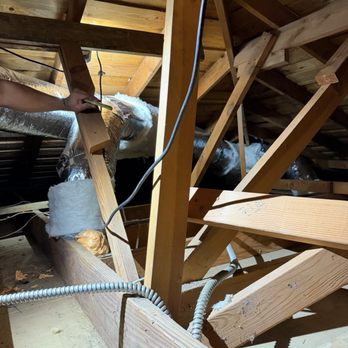
I have spent most of my working life as a residential HVAC technician crawling through attics, basements, closets, and knee walls in older houses around the Canadian prairies. I started as the helper who carried sheet metal and tape, then became the person customers called when the furnace ran all night or the upstairs bedrooms never cooled down. After enough service calls, I stopped seeing ducts as background parts of the system. I started treating them like witnesses.
MAP EMBED
The House Usually Tells Me Before the Equipment Does
On a typical call, I listen before I touch a tool. A rattling return grille, a whistling bedroom vent, or a furnace that starts and stops every few minutes can tell me where to begin. I have walked into homes with brand-new equipment that still felt uneven because the ductwork was the old problem wearing a new jacket. Air tells stories.
A customer last winter had a two-stage furnace installed by another crew, and the family still kept blankets on the couch every evening. The basement was warm enough, but the main floor sat several degrees lower than the thermostat claimed. I found a return path blocked by a renovation wall and a supply run crushed flat behind stored holiday bins. No furnace setting was going to fix that properly.
That kind of call reminds me why I slow down. I check the filter, blower wheel, static pressure, and duct condition before I talk about replacing equipment. A ten-minute glance can miss what a careful inspection finds in forty minutes. Small details matter.
What I Check Before I Blame the Unit
The first thing I usually measure is airflow, because comfort problems often hide there. I have seen a clean-looking system lose a surprising amount of performance through one disconnected branch line in a crawlspace. I also look for undersized returns, kinked flex, missing balancing dampers, and supply vents that were added after a basement was finished. Those changes can throw off a system that once worked fairly well.
Homeowners often ask me what repairs should cost, and I try to give ranges instead of pretending every house fits the same number. For homeowners comparing repair expectations beyond my own service area, I sometimes point them to resources like The Duct Stories Heating and Cooling because cost talk gets clearer when people see how another market explains common AC work. I still tell people that an in-home diagnosis matters more than any rough figure they read online. A ninety-year-old house and a newer split-level can need very different fixes.
One spring, I visited a home where the owner was sure the air conditioner had lost refrigerant. The outdoor unit sounded normal, and the coil was not iced over, but the hallway return was pulling through a filter that looked like gray felt. After replacing it and opening two closed dampers, the temperature drop returned to a normal range. The refrigerant charge was not the villain.
The Duct Repairs People Notice Right Away
Some duct repairs are invisible to the homeowner, at least until the next utility bill arrives. Others change the feel of a room in the first hour. Sealing a major return leak near a dusty basement corner can stop that dry, dirty smell people blame on the furnace. That smell matters.
I have used mastic on seams that had been leaking for twenty years. Foil tape has its place, but I do not trust bargain cloth tape on duct joints that heat up and cool down for several seasons. On one job, I sealed a main trunk and two return gaps, then watched the basement door stop pulling shut every time the blower came on. The homeowner noticed before I said anything.
Balancing is another repair people underestimate. I might close a strong supply run by a quarter turn and open a weak bedroom branch fully, then check the room again after the system runs for a while. It is not magic, and it does not solve bad design, but it can make a house feel less divided. In one bungalow, two damper adjustments made the back bedroom usable again for a child who had been sleeping with a portable heater nearby.
Why New Equipment Does Not Always Feel New
I have replaced plenty of furnaces and air conditioners, and I know equipment matters. A worn blower motor, a plugged evaporator coil, or a heat exchanger issue cannot be talked away with duct adjustments. Still, I have also seen people spend several thousand dollars and feel disappointed because the duct system was never part of the conversation. A box change is not the same as a comfort repair.
One homeowner asked me why his new air conditioner ran longer than expected on hot afternoons. The installation looked neat, and the unit was sized close to what I would expect for the house. The problem was a long attic supply line with thin insulation and two sharp bends added during an earlier renovation. By the time the air reached the room, it had lost much of its bite.
I try to explain this without making anyone feel foolish. Most people do not inspect duct routes before buying a house, and they should not have to become HVAC mechanics just to stay comfortable. My job is to connect the symptoms to the parts they cannot see. Sometimes that means recommending a repair that costs far less than replacement, and sometimes it means saying the equipment really is near the end of its useful life.
How I Talk to Homeowners About Maintenance
I do not make maintenance sound fancy. Change the filter on a schedule that matches the house, keep return grilles open, and do not stack storage against the furnace cabinet. If there are pets, drywall dust, or a high-use household, I may suggest checking the filter every month rather than guessing by the calendar. A clean filter is boring, but boring often saves money.
I also tell people to pay attention to room-to-room changes. If one bedroom suddenly gets weak airflow, something changed. It could be a closed damper, a loose duct, a blocked register, or a blower issue starting to show itself. Catching that early can keep a small repair from turning into a long service call.
Seasonal checks help, especially in houses with finished basements and tight mechanical rooms. I like to see the furnace before the first deep cold and the air conditioner before the heavy summer stretch. During those visits, I can spot rust stains, sweating ductwork, noisy bearings, or odd pressure signs before the system quits during the worst week. That is the kind of practical work customers remember.
The longer I work in heating and cooling, the more respect I have for the hidden parts of a house. Ductwork is easy to ignore because it sits behind drywall, above ceiling tiles, or under insulation, but it shapes comfort every single day. If a room never feels right, I would rather trace the air path than guess from the thermostat. Most houses will tell the truth if I take the time to listen.
The Duct Stories Heating and Cooling
946 Elgin Ave, Winnipeg, MB R3E 1B4
204-891-7811
I have spent the better part of 18 years walking roofs across Palm Beach County, first as a repair crew lead and later as an estimator who gets called in when a homeowner wants a straight answer before signing anything. West Palm Beach has its own rhythm, and roofs here take a beating from heat, salt air, sudden rain, and long stretches of sun that cook materials faster than many people expect. I do not look at roofing companies the way a casual shopper does. I look at how they inspect, how they explain, and how their work is likely to hold up after the first rough summer.
Why roofing work in West Palm Beach needs a local eye
I have seen a roof look fine from the driveway and then show three different failure points once I got up there with a ladder and a moisture meter. A lot of that comes down to local conditions. On a roof two miles from the water, I usually expect more fastener rust, more edge wear, and more brittle sealant than I would see farther inland. That pattern repeats itself year after year.
The sun is relentless here. By the time a standard shingle roof is in its midlife, I can often feel the difference under my boots between a section that still has some flexibility and one that has gone hard from daily heat. Tile roofs bring a different set of issues, especially underlayment wear and cracked pieces near valleys or around penetrations. I have replaced plenty of single tiles and still had to tell the homeowner the real problem was underneath.
Storm season changes the conversation too. I have had customers call me after a windy afternoon because they spotted a stain on a bedroom ceiling, and once I traced it back, the source was a lifted flashing detail from months earlier that only showed itself under a very specific rain direction. That is why I put more weight on inspection habits than sales talk. Local experience matters because the trouble spots here are predictable if you have seen enough of them.
How I judge a roofing company before I trust its work
I pay attention to the first inspection. If a company sends someone out for 20 minutes, takes a few photos, and starts talking price before they explain the roof system, I get skeptical fast. A careful visit usually takes longer, especially on a house with multiple slopes, transitions, and older flashing details. I want to hear plain language, not a performance.
One resource I would point homeowners toward is Neal Roofing in West Palm Beach because I value companies that present themselves clearly and make it easy to understand the service area they actually handle. I say that as someone who has watched people get burned by outfits that advertise locally but send in crews with no real connection to the conditions here. A company does not need to be flashy to earn my respect. It needs to be direct, organized, and accountable.
I also listen for how a roofer talks about repair versus replacement. Some roofs need a full replacement, and I have said that myself many times, but I trust a company more when it can tell me why a repair will or will not buy useful time. Last spring I looked at a roof where the owner feared the worst, and the honest answer was a targeted repair around one vent stack and a weak valley detail. That saved them several thousand dollars and built more trust than a hard sell ever could.
Paperwork tells me a lot too. A good proposal should separate materials, scope, and any wood replacement or decking work that might be discovered once the old roof comes off. If those details are muddy, change orders tend to get messy. I have learned that a clear contract often predicts a cleaner jobsite.
What good communication looks like once the job starts
The best roofing jobs I have been around did not feel chaotic, even when the crew was moving fast. Somebody on site knew the plan, the homeowner knew what day tear-off would begin, and everyone understood where debris would go and how the driveway would be protected. That sounds basic. It is not always basic in practice.
I like to see a company set expectations early about noise, access, and timing. On a typical single-family home, a tear-off crew can make a place feel like a construction zone by 7:30 in the morning, and homeowners deserve warning if they work from home or have kids napping upstairs. I once had a customer thank me for simply explaining that the loudest part would be the first half of the first day. Small things calm people down.
I also respect roofers who do not hide the uncertain parts. If decking damage is possible, say so before the first shingle comes off. If rain is in the forecast after 3 p.m. and the crew may need to adjust the sequence to keep the structure dry, say that too, because homeowners can handle honest updates far better than silence followed by excuses after the fact.
Details that separate durable work from work that only looks clean
From the street, many new roofs look decent. Up close, the differences show. I look at flashing transitions, nail placement, starter alignment, valley treatment, pipe boots, drip edge, and how cleanly the crew handled tricky areas around walls and chimneys. Those are the places where shortcuts tend to announce themselves within 12 months.
Ventilation is another area where I see a lot of confusion. People get focused on the surface material, but an attic that traps heat can shorten the useful life of the roof system above it, especially through a Florida summer where attic temperatures can get brutally high by early afternoon. I have opened attic hatches and felt a wall of heat hit me in the face. That matters more than many homeowners realize.
Cleanup counts too, and I do not mean a quick pass for appearances. I mean magnet rolling for nails, checking planting beds, clearing small scraps from side yards, and making sure gutters are not packed with old granules and debris. A clean finish tells me the crew paid attention after the visible part of the job was done.
How I tell homeowners to compare roofers without getting lost in the pitch
I tell people to compare roofing companies on a few points that are hard to fake. Ask how the inspection was done, who supervises the work, what happens if damaged decking is found, and how the company documents progress. Then read the estimate again a day later when the sales pressure is gone. The gaps become easier to spot.
I also tell them to pay attention to tone. If one company treats every question like an obstacle, that attitude usually gets worse after a deposit is paid. I have seen homeowners regret choosing the cheapest number on the page because the real cost showed up later in delays, unclear scope, or details that had to be redone. Cheap can get expensive fast.
There is no perfect roofer, and I do not pretend otherwise. Crews run into weather, supply issues, and hidden damage that nobody could fully see from the surface. What I want is a company that acts like those realities are part of the job rather than a chance to dodge responsibility. That is the kind of professionalism I remember long after the shingles are on.
Whenever a homeowner in West Palm Beach asks me where to start, I tell them to trust the inspection process more than the sales pitch and to watch how a company handles the unglamorous details. A roof is one of the few parts of a house that has to perform under stress with almost no forgiveness, especially here where heat and storms expose weak work in a hurry. I have walked enough roofs to know that the best choice usually reveals itself in the small decisions. Those small decisions are what keep water out when the sky finally opens up.
I have built fences along the Gulf Coast long enough to know that Lake Charles jobs have their own rhythm. The ground can shift, the rain can stall a schedule, and a clean-looking yard can hide old roots, soft spots, or drainage problems that change the whole plan. I do not walk onto a property here assuming a fence is just posts, rails, and pickets. I start by reading the lot, the neighborhood, and the way the owner actually uses the space.
Why Lake Charles Lots Change the Job Before I Ever Dig
Some of the hardest fence work I have done was not on the biggest properties. It was on average backyards where the soil stayed wet two days after a normal rain and the grade dropped just enough to pull water toward one fence line. In Lake Charles, that matters more than many homeowners expect. A straight fence on paper can turn into a bad install fast if the posts are set like the lot is flat and dry year round.
I usually carry a 6-foot level, a tape, and a marking can on the first visit because I want to see the yard in simple measurements, not vague guesses. If I find a 3-inch fall across one section, I already know I need to talk about stepping panels or adjusting reveal lines so the fence does not look sloppy. Wind exposure matters too. A backyard with no tree cover and a long open run faces a different kind of stress than a sheltered side yard behind brick homes.
Older neighborhoods can bring another wrinkle. I have pulled out rotten posts that looked fine from the driveway, and I have found old chain link footings buried a few inches below grade right where a new post needed to go. That slows a crew down. It also separates a careful estimate from one that looked cheap because nobody bothered to think through the site.
How I Judge a Fence Contractor Before I Let Anyone Start
I pay close attention to how a contractor talks during the first walkthrough because that tells me what the build will feel like later. If someone only talks about linear footage and never asks about drainage, gates, pets, or how the yard floods during storm season, I get cautious fast. Good fence work starts with questions. Fancy sales talk does not hold a post upright.
Homeowners ask me all the time where they should begin if they want to compare crews, and I usually tell them to start with a local company that works this soil every week. One place that fits that description is fence contractor Lake Charles. A contractor who already understands local setbacks, utility marking delays, and how Gulf moisture affects materials is usually ahead before the first hole is dug.
I also listen for how a company explains repairs versus replacement. Some fences truly need a full rebuild, but I have seen cases where one gate, six posts, and a stretch of rails fixed the real problem for several thousand dollars less than a total replacement. That kind of honesty matters. If a contractor cannot explain why one section failed, I do not trust the proposed fix for the next 120 feet.
What Materials Hold Up Best and Where People Waste Money
Material choice in Lake Charles is never just about looks. I have installed cedar, pressure-treated pine, vinyl, and ornamental aluminum, and each one behaves differently once moisture, heat, and wind start working on it month after month. Cedar often looks better longer if the homeowner keeps up with maintenance, but plenty of people prefer a lower-upkeep option and accept the tradeoffs. There is no single right answer.
What I push back on is bad matching between the material and the job. A tall privacy fence across a wide, open backyard needs a stronger layout than a decorative boundary fence near the street, even if both are built from the same boards. Gate framing matters more than people think. It really does. I have replaced sagging gates that were less than 18 months old because the hardware was undersized and the post support was an afterthought.
Vinyl has its place, but I tell people to be careful about assuming it is always the easy choice. On some lots it looks sharp and holds up well, while on others it can show movement in ways wood disguises better, especially if the install was rushed or the ground shifts after a heavy season. Aluminum works well around pools and front-yard sections where visibility matters, though it will not give the privacy many families want. I would rather see a homeowner choose a plain material that fits the property than an expensive one that fights the site every year.
The Small Build Details That Tell Me a Fence Will Last
Most people notice the boards first, but I notice the line of the posts and the gate swing. If I walk up and see inconsistent spacing, shallow-set corners, or a latch side already pulling, I know the pretty parts are hiding weak bones. On a quality job, the fence feels settled on day one. It should not feel temporary.
I care a lot about layout because rushed crews often lose the job in the first few hours. A post placed 2 inches off at the start can force ugly corrections all the way down the run, and then the last panel gets chopped to hide the mistake. I have had customers tell me they could not explain why an old fence looked crooked until I pointed out that every reveal changed by a little bit. Little bits add up.
Cleanup tells its own story too. If a crew leaves concrete chunks, splinter piles, and bent screws in the grass, I doubt they were more careful with the parts you cannot see. A good contractor protects sprinkler lines, keeps spoil piles under control, and makes sure the gates latch cleanly before leaving. Those are not luxury touches. They are basic signs that the crew took the work seriously.
How I Help Homeowners Read an Estimate Without Getting Burned
I have looked at plenty of fence estimates that sounded detailed until I read them line by line. Some leave out haul-off, gate hardware, stain, or the cost of dealing with a tree line that clearly needs extra labor. Others hide weak material specs behind broad phrases like premium wood or heavy-duty posts without saying the actual size. If I cannot tell whether the quote covers 4×4 posts or something lighter, I know I need more answers.
I prefer an estimate that spells out the number of gates, post spacing, tear-out, and what happens if the crew hits buried concrete or soft ground. That does not mean every surprise can be priced in advance, but it shows the contractor has done this enough to anticipate the usual trouble spots. A clear proposal also makes it easier to compare two bids that are a few hundred dollars apart. Cheap can get expensive quickly.
Timing deserves a real conversation as well. In this region, rain can push work back, utility locating can hold up a start date, and material availability sometimes narrows options more than people expect. I would rather hear a realistic schedule than a promise that sounds smooth and falls apart in week one. Homeowners usually appreciate straight talk once they realize how many moving pieces a fence project can carry.
I still like this work because a good fence changes how a property feels the minute it is done. Kids have a safer yard, dogs stop slipping through weak spots, and the house reads as finished instead of exposed. In Lake Charles, the right contractor is the one who respects the ground, builds for the weather, and tells you the truth before the first post ever goes in. That is the kind of job I would want on my own place.
I have spent the better part of 16 years cleaning and inspecting duct systems in prairie homes, mostly in places where winter hangs on for months and every furnace works hard. After a while, the vents stop feeling like sheet metal and start reading like a diary. I can tell who renovated in a hurry, who lives with three dogs, and who has been slowly fighting dust for years without ever looking below the floor grilles. Most of the stories are ordinary, but they stay with me because they say so much about how people really live inside their homes.
The clues hiding under the vent covers
The first five minutes in a house usually tell me more than any phone call did. I pull a floor register, shine a light down the run, and I can often see the last decade stacked in layers. Sawdust points to a basement project, white drywall grit usually means a contractor skipped one cleanup step, and thick gray lint tells me the return side has been pulling harder than it should. Dust has a pattern.
One customer last spring swore the ducts had been cleaned recently, and I had no reason to argue until I opened the main trunk near the furnace. Inside I found pet hair woven around a few screws, cereal crumbs, bits of insulation, and one small toy block that had been there long enough to collect a fuzzy coat. That mix does not show up in a system cleaned six months earlier. It looks more like three or four busy years.
I pay close attention to the difference between supply vents and returns because they tell different parts of the story. Supply lines show me what has fallen in, while returns show me what the house has been breathing every day. If I see dark streaking around return grilles in two rooms but not the others, I start thinking about pressure imbalances, door habits, and a filter rack that may not be sealing right. Small signs matter.
Older houses are especially chatty. In homes built around the late 1970s or early 1980s, I still run into improvised connections, old tape that has gone brittle, and branch runs with enough bends to slow airflow before it reaches the far bedroom. People often blame the furnace, but sometimes the real issue is buried in a duct line that has been patched three different ways by three different owners. I have seen that more than once.
What people get wrong about dirty ductwork
A lot of homeowners assume visible dust on a coffee table means the ducts are the whole problem, and I rarely find that to be true. Ducts can absolutely hold debris, but they are only one piece of the mess inside a lived-in house. In a typical week, I see dust tied to leaky return boots, cheap filters changed every six months instead of every one to three, and renovation debris that should never have reached the system in the first place. The source matters as much as the cleanup.
Some people also expect duct cleaning to fix every comfort issue in one visit. I wish it worked that way. If a second-floor room is always cold, I am just as likely to find a crushed flex run in the attic, a damper half closed since move-in day, or a blower wheel packed enough to cut performance even after the trunk lines are cleaned. I have to say that out loud because false promises make this trade look worse than it is.
When homeowners want a plain-language look at how service calls and maintenance habits play out in real homes, I sometimes point them to The Duct Stories. I like resources that treat the work like part of house ownership instead of a miracle cure. That kind of perspective helps people ask better questions before they spend money.
The jobs that frustrate me most are the ones after a renovation where nobody covered the vents during sanding. Fine drywall dust moves everywhere, and once it gets into the return side, it spreads through the cabinet, the blower compartment, and often the coil area too. I remember one basement remodel where I filled nearly half a collection bag from a single main line, and the owners had been wondering why their filter looked spent after only three weeks. That answer was sitting in the ductwork the whole time.
The strange things I have pulled out over the years
I have found the usual stuff, and I have found things that made me stop and laugh into my respirator. Toy cars are common. So are crayons, bottle caps, puzzle pieces, popcorn kernels, and enough hair ties to stock a small drawer. In one bungalow, I pulled out 27 plastic craft beads from one short run serving a child’s bedroom.
The odd finds are never the point of the job, but they tell me how air systems become part of family life without anyone meaning them to. Floor registers sit right where kids play, where laundry gets folded, and where people shake out rugs in the winter because it is too cold to go outside. A vent opening is basically a collection point with a fan somewhere down the line, so the system keeps a record of little accidents. Houses remember everything.
Sometimes the story is less funny. A couple of years ago, I opened a return drop in a home that had a sharp sour smell the owner could never quite place, and tucked behind one corner was a small damp nest built from insulation and paper scraps. That pointed us toward a moisture issue near the rim joist and a pest entry problem, neither of which would have shown up on a simple filter change. The ducts were not causing the trouble, but they were carrying the evidence.
I have also seen what happens when people try to clean deep runs with whatever they have in the garage. A leaf blower attached with tape, a shop vac hose jammed past the elbow, and one homemade brush head made from zip ties and a plumbing snake all come to mind. I understand the urge to save money, but a 20-foot run with two turns and a branch split is not the same as vacuuming under a couch. Some shortcuts make a bigger mess.
How I judge whether a system needs help
I do not walk into a house assuming every duct system needs a full cleaning that day. First I check the filter, the blower compartment, the visible trunk lines, and a few representative runs. If I see light household dust and good airflow with no signs of buildup after the fan section, I say so. People remember honesty.
My threshold changes a bit depending on the house. In a newer home with decent sealing and no pets, I may see very little accumulation after two or three years. In an older place with a shedding dog, a recent kitchen remodel, and a return leak near the basement ceiling, I can see enough contamination in 18 months to justify a thorough cleaning and a couple of repairs at the same visit. Context does the heavy lifting.
I also listen to the system while I work because sound gives away what sight misses. A whistling return can mean an undersized grille or a blocked filter. Rattling at startup often points to a loose section near the plenum, and a room register that barely moves a tissue tells me I should measure airflow before anyone talks about replacing equipment. Numbers help, but so does experience with the sounds of a healthy system.
The best visits are the ones where I can leave the homeowner with a short, boring routine that actually works. Change the filter on schedule, keep renovation dust out of the vents, vacuum the grille faces a few times each winter, and have someone inspect the system if the airflow changes suddenly. None of that is flashy, and it will not make for a dramatic before-and-after photo, but it keeps a house steadier than most people expect.
I still like this work because every home has its own habits written into the ductwork, and reading those habits has made me better at spotting problems before they grow expensive. A clean system is nice, but a system that makes sense is better. That is usually what I am really trying to leave behind when I pack up the hoses and close the furnace room door.
The Duct Stories Calgary
Chestermere
587 229 6222